Welcome to the Gucci Store Era

Forget quiet luxury. Demna wants you back in the store. For Gucci SS27, the store wasn’t backstage, online, or politely waiting after the show. It was the show. A supersized Gucci boutique became the runway, turning fashion’s least romantic reality – retail – into its main fantasy. Welcome to the Gucci store era. It feels extremely Demna. He has always understood that fashion isn’t just about making clothes; it’s about manufacturing desire, characters and the slightly delusional possibility of becoming someone else.
At Gucci, that idea suddenly has a very literal address. You enter the store. You choose your character. Maybe she’s Milanese and terrifyingly polished. Maybe she’s overdressed at 11am. Maybe he’s wearing tailoring sharp enough to look hostile. Maybe she wants the tiny dress, the giant sunglasses and the heel that makes absolutely no sense for walking. Maybe the whole point is that it makes no sense. This Gucci isn’t asking to be tasteful.
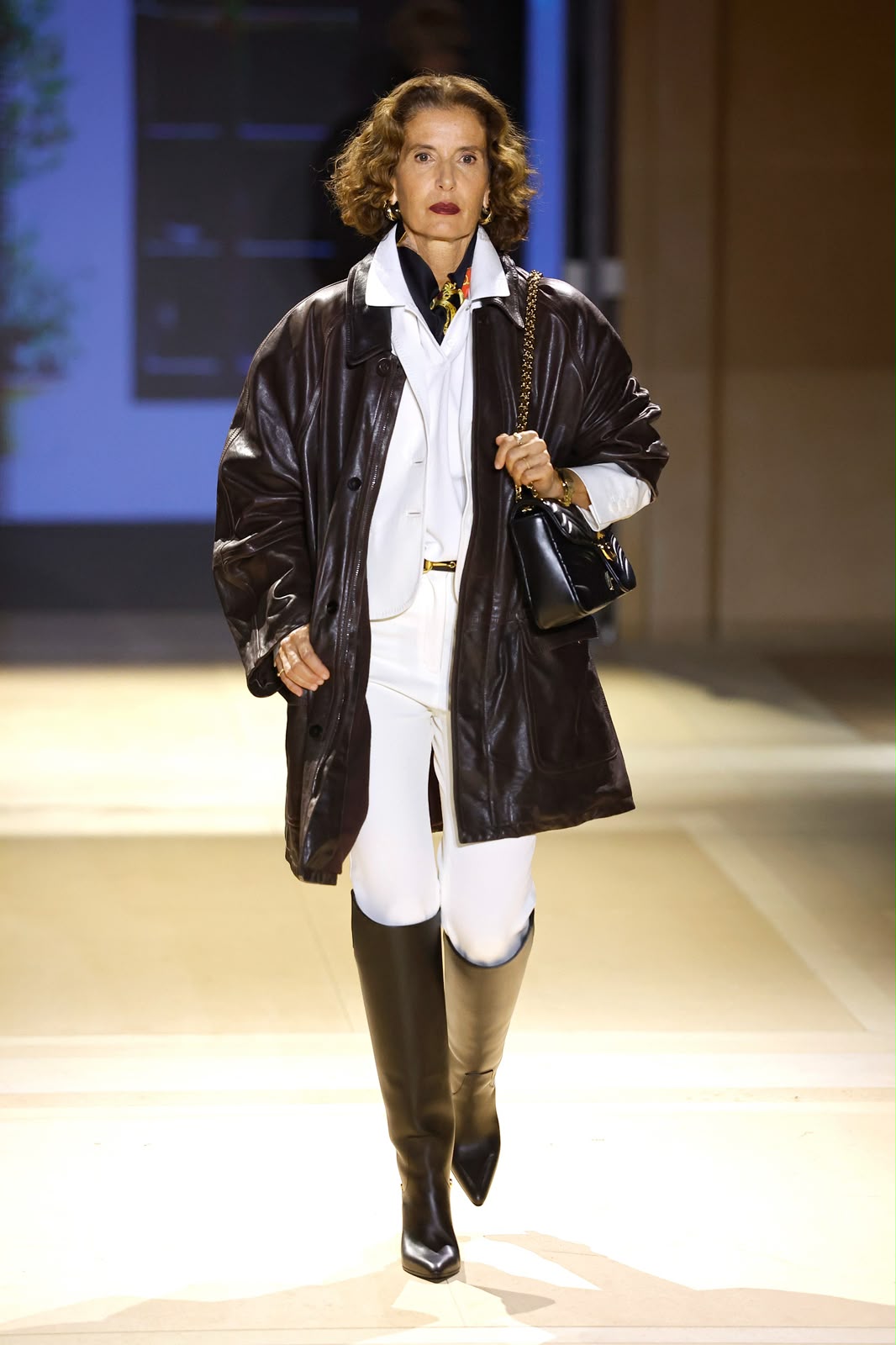
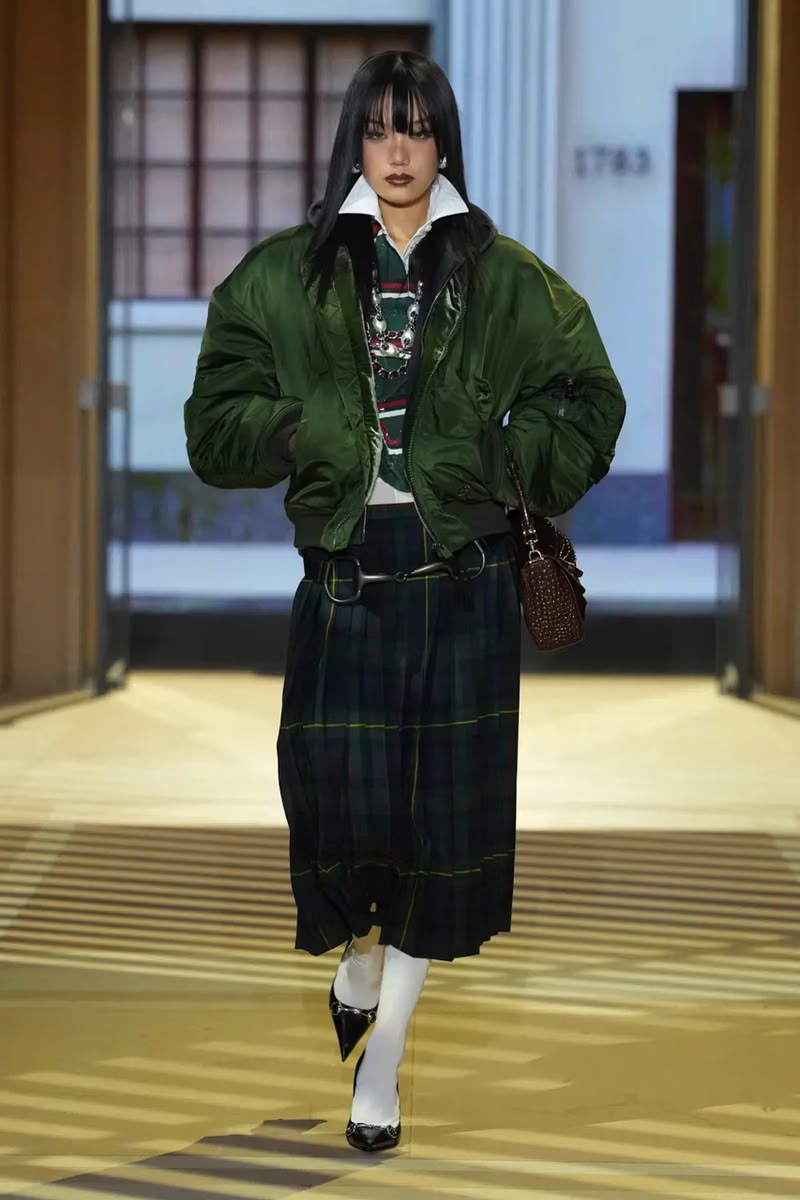
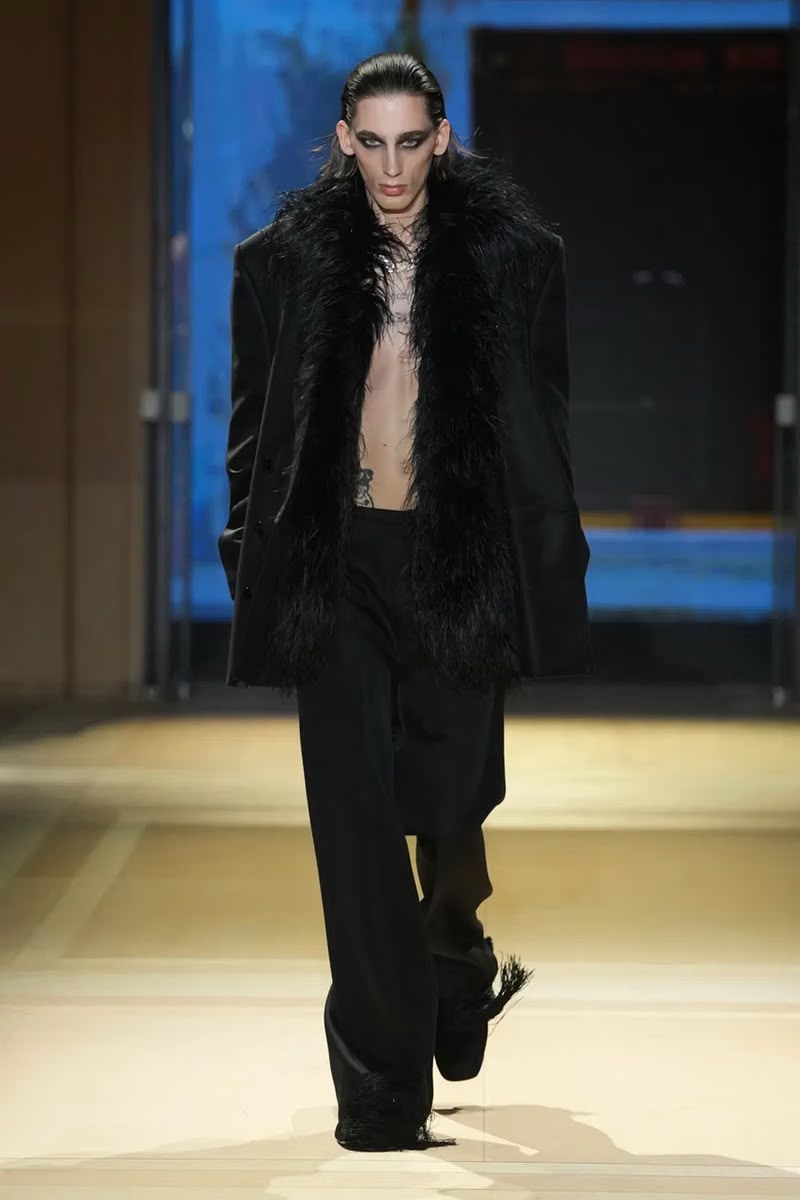
That’s where Demna’s vision starts getting interesting. He’s digging into everything that made Gucci Gucci in the first place: sex, status, Italian glamour, bourgeois codes, logos, horsebits, aspiration, a little vulgarity. But instead of treating heritage like something precious behind museum glass, he puts it back on the shop floor. And turns the volume up.
The silhouettes are exaggerated. The glamour is almost too glamorous. The sexiness knows it’s performing sexiness. Even the stilettos feel like a reaction to years of sensible shoes and algorithm-approved minimalism. Nothing whispers. Everything understands the assignment.
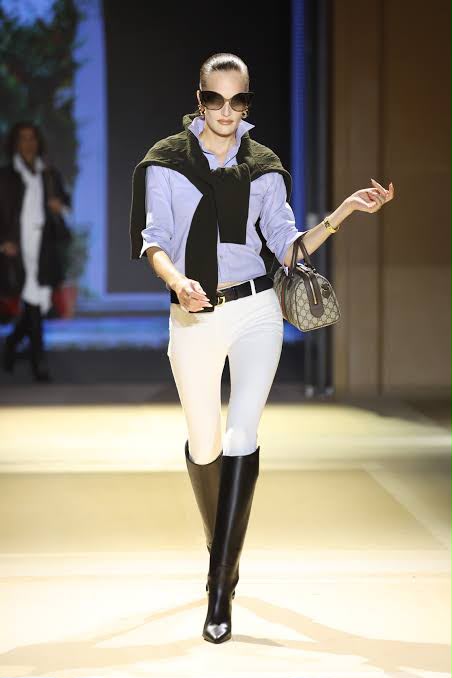
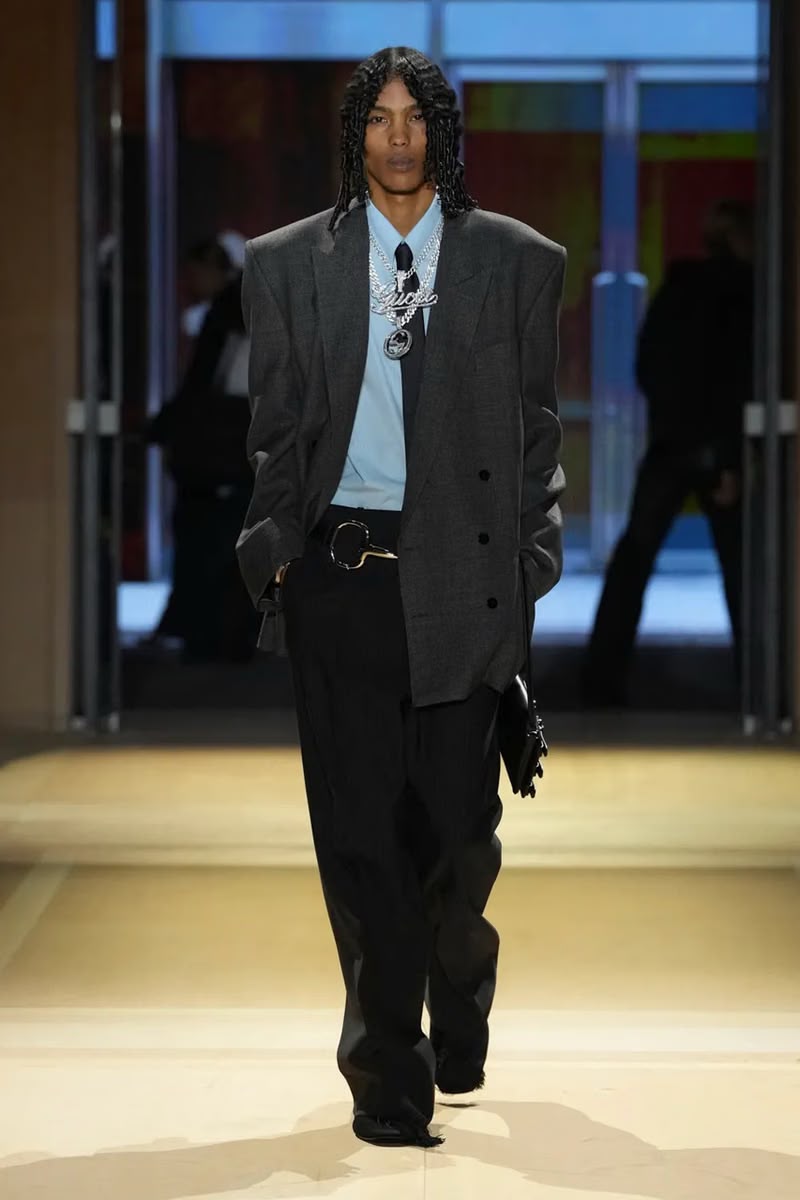
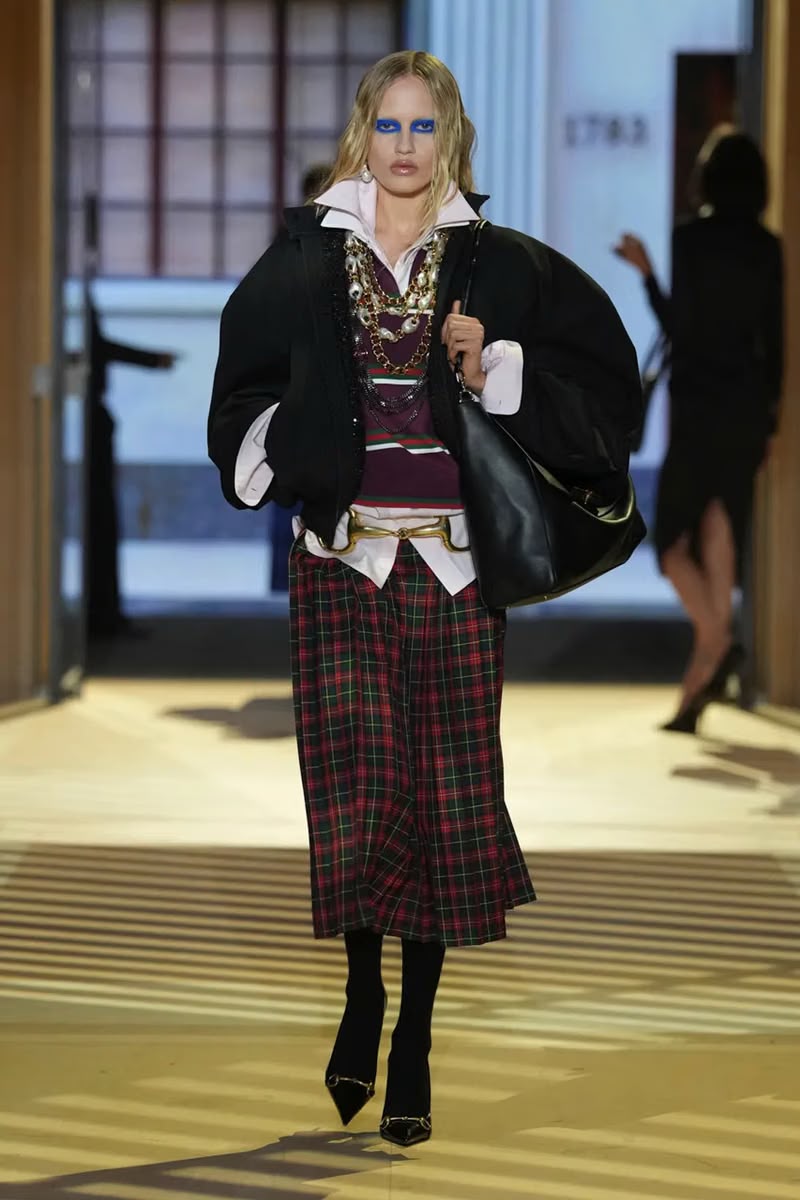
There’s something almost anti-stealth-wealth about it. Because the Demna Gucci customer doesn’t necessarily want to look like they inherited everything. They want to look like they went into Gucci and chose everything. That distinction matters.
Luxury spent the last few years fetishising effortlessness: invisible logos, perfect cashmere, clothes designed to communicate wealth without appearing to communicate anything at all. Demna’s Gucci feels bored by that game. His version of luxury is active. You construct it. You perform it. You walk into the store and decide who you’re going to be.
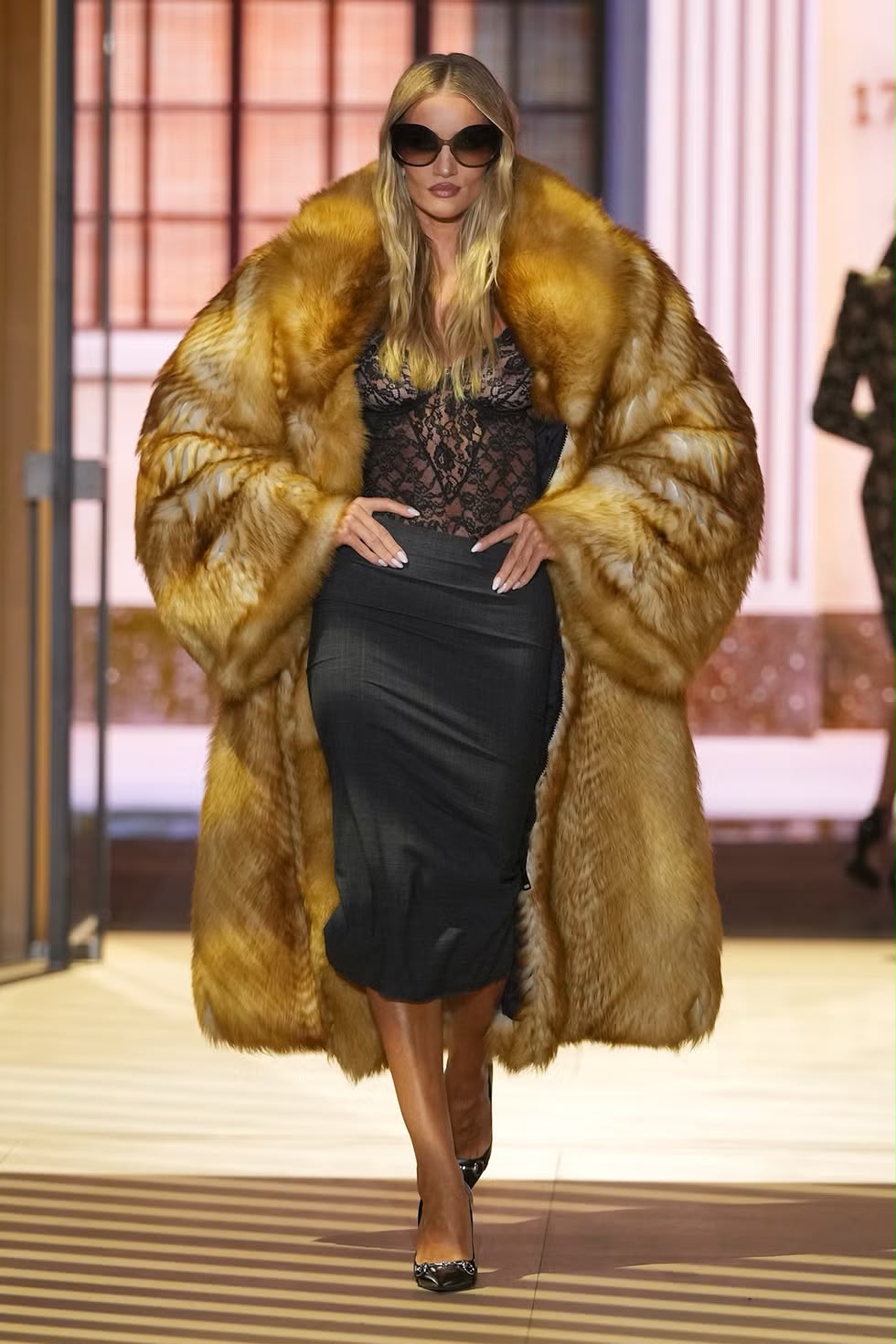
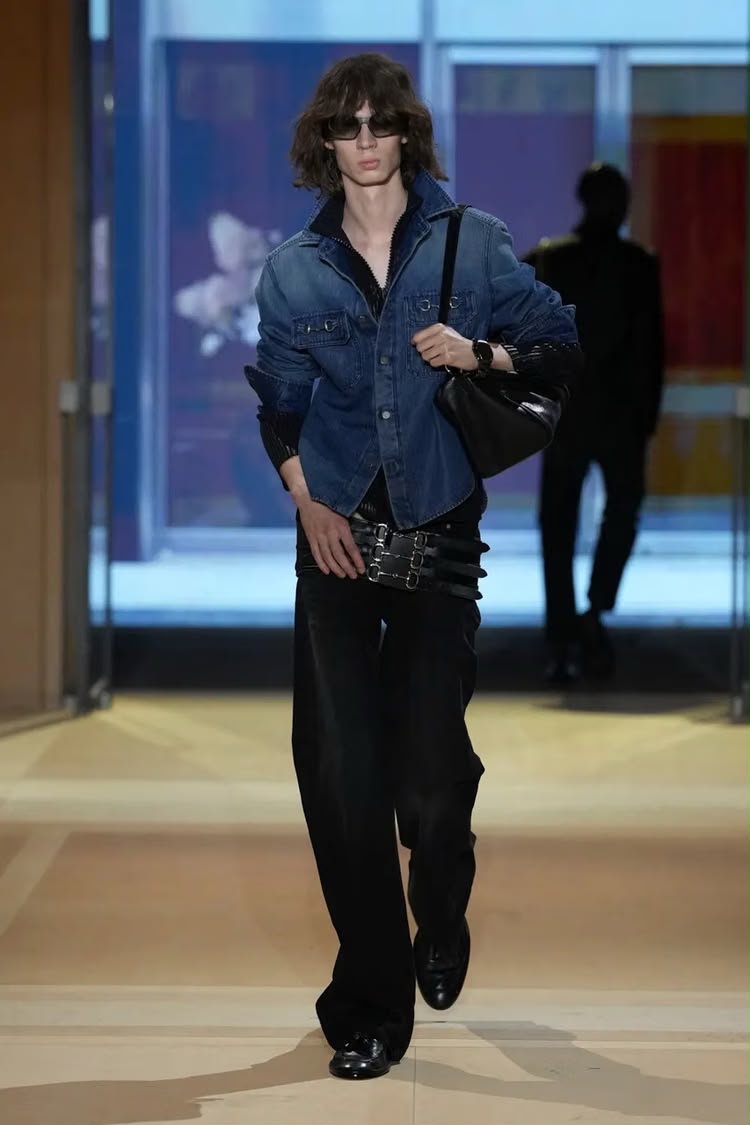
The bag isn’t just a bag. The heel isn’t just a heel. They’re props in the ongoing production of yourself. Very online logic, actually. We already live through rotating aesthetics, micro-identities and hyper-specific versions of ourselves. Demna just gives that behaviour a physical space. The Gucci store becomes the ultimate character-selection screen.
And maybe that’s why making the boutique the show feels smarter than another cinematic set or impossible fantasy location. Demna doesn’t hide the transaction behind fashion mythology. He makes the transaction part of the mythology.
You want something. You try it on. You look in the mirror. For five seconds, you believe in the person looking back. Sold.
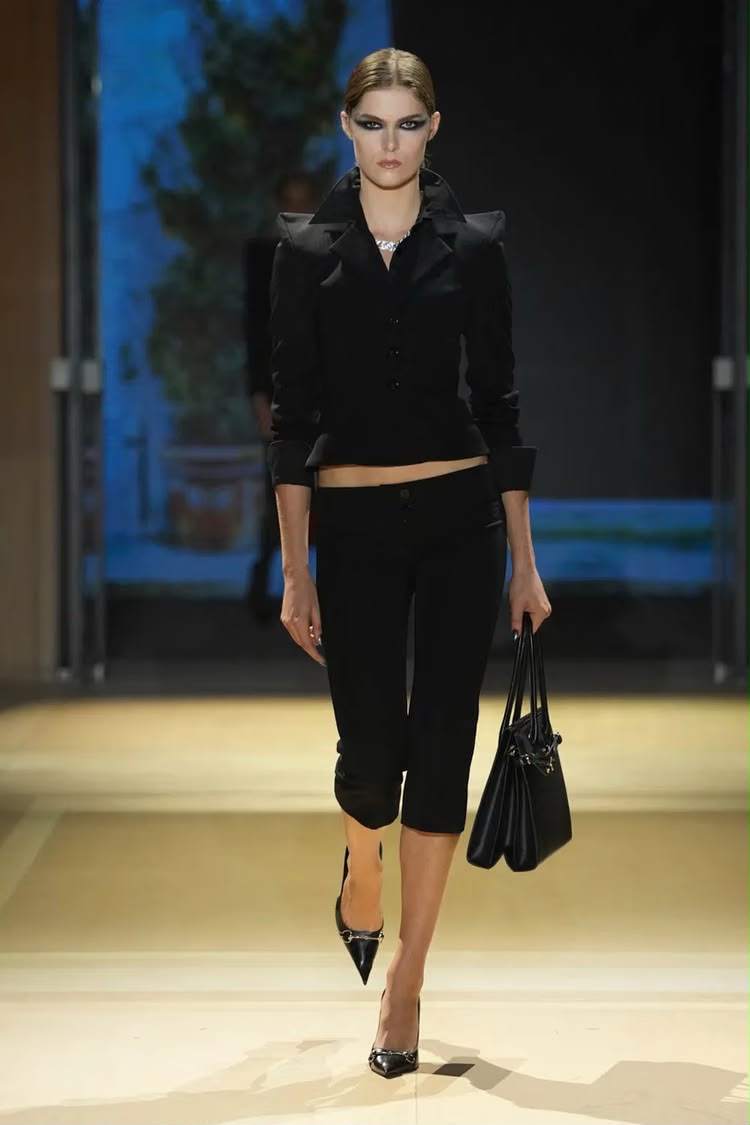
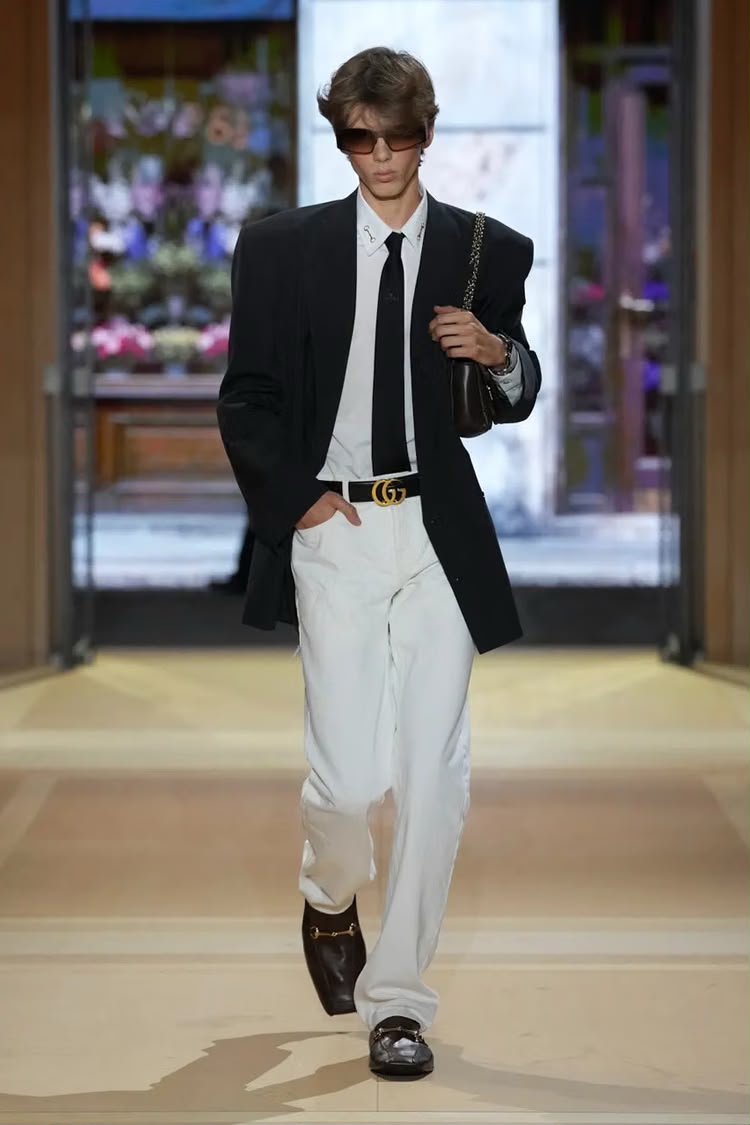
SS27 makes Demna’s Gucci feel less like a collection-by-collection reinvention and more like an expanding universe. La Famiglia introduced the characters. Now The Store Show gives them somewhere to live – or at least somewhere to shop. It’s Gucci as wardrobe, theatre, mall, status symbol and identity crisis. And it’s probably only getting bigger. Because Demna’s Gucci isn’t trying to convince us that consumption is intellectual, discreet or morally pure. It understands something much more basic about fashion: sometimes you just want the thing.
And in the Gucci store era, wanting is the whole point.